The Tools and Methods Behind a Crew Guide That Gets Used
Tom Ashworth explains the plain tools, interviews and test runs he relies on when writing operating manuals, checklists and training guides for studio crews.
Start with a notebook, not a template
Most of the guides I write begin with a notebook and a visit to the studio, not a blank document with a house style. A template tempts you to fill boxes, and crews can tell when a manual was written to satisfy a format rather than to help someone at three in the afternoon with a camera head that will not respond.
So I sit at the back of the control room during a normal run and write down what people actually do, in the order they do it. I note which switch gets reached for without looking, which step is skipped because everyone knows it, and which one is done twice out of habit. Those observations become the skeleton of the guide, and the layout comes much later.
The notebook also records the small spoken phrases a crew uses, because the guide should use their words for things, not mine.
- Observe a normal run before writing anything
- Record the crew's own names for equipment and steps
- Note steps people skip and steps they repeat
Interviews with the people who press the buttons
After watching, I talk to each operator separately, usually for twenty minutes or so. Vision mixers, camera operators, sound assistants and floor managers each see a different part of the same show, and they rarely agree on what the hard part is. Hearing each version separately stops the loudest voice in the room from deciding what goes in the guide.
I ask short, plain questions. What do you do first? What goes wrong most often? What would you tell a new starter on their first day, and what would you leave until the second week? The answers to the last question matter most, because they show what a newcomer genuinely needs now and what can wait.
Where two people describe the same task differently, I note both and settle it later by trying it at the desk.
- Interview each role on its own
- Ask what a new starter needs on day one
- Keep conflicting accounts until they can be tested
Plain text and a numbered sequence
For drafting I use an ordinary text editor and a simple numbered sequence. Fancy page design hides problems; a bare list of numbered actions shows straight away when step six depends on something nobody mentioned in step three. If a step cannot be written as a single instruction beginning with a verb, it is usually two steps, or it is a judgement call that belongs in a note rather than in the sequence.
I keep each instruction short enough to read at a glance from a metre away, since the person using it is often standing, wearing headphones and watching a monitor. Warnings sit directly before the step they concern, never in a block at the top that nobody rereads. Where a value matters, such as a fader position or a routing label, it is written exactly as it appears on the equipment.
- One action per numbered step, starting with a verb
- Warnings placed immediately before the step they affect
- Labels copied exactly as they appear on the kit
Photographs and diagrams earn their place
I add images only where words are slower. A photograph of a patch bay with the relevant sockets marked will save a paragraph of description and a good deal of guessing. A simple signal-flow diagram drawn with plain boxes and arrows helps a new engineer see how the room fits together before they touch anything.
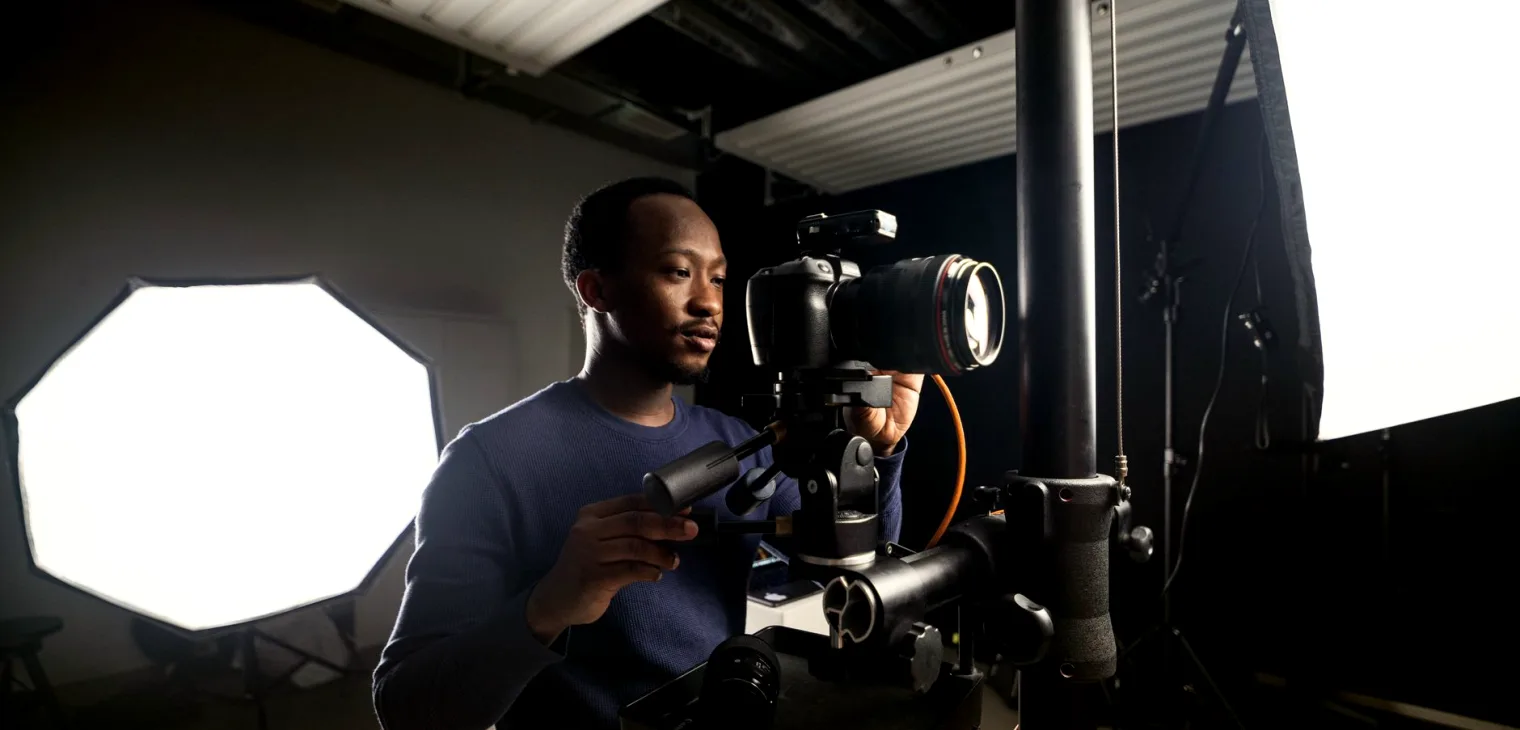
I take the photographs myself, in the studio, under the working lights, because a tidy picture taken in perfect conditions rarely matches what the crew sees on the night. Each image carries a short caption saying what to look at, and nothing decorative is included. If a diagram needs more than a minute to understand, I redraw it until it does not, or I split it into two.
- Mark the exact sockets or controls in each photograph
- Draw signal flow with plain boxes and arrows
- Caption every image with what to look at
Testing the draft on someone who was not there
The most useful method I rely on costs nothing: I give the draft to a person who did not help write it and ask them to follow it without my help. I stay quiet and watch. Every pause, every glance at me, every wrong turn marks a sentence that needs fixing. It is humbling, and it is faster than any amount of rereading by the author.
Often the tester is a junior member of the crew, sometimes a freelancer who has never worked in that room. If they can complete the procedure from the page alone, the guide is nearly finished. If they cannot, the fault is in the guide, not in the person, and I rewrite the step and run the test again with someone else.
- Test with someone who did not help write it
- Stay silent and note every hesitation
- Repeat with a fresh reader after each rewrite
Keeping the guide alive after delivery
A guide that is correct on the day it is handed over can be wrong within a season, because equipment is replaced, software updates move menus and crews change. I leave each client with a short routine for keeping the document current: one named person responsible, a dated version line on the first page, and a habit of correcting a step the moment someone finds it wrong.
I also suggest printing a single laminated checklist for the tasks done daily, kept at the desk, with the longer manual held as a reference. The checklist is the part people use; the manual is what they turn to when something unusual happens. Both should say the same thing, and a short review each quarter is usually enough to keep them honest.
- Name one owner for each document
- Put a dated version line on the first page
- Review checklist and manual together each quarter
None of this is clever, and that is the point. A notebook, honest interviews, plain numbered text, a few well-chosen photographs and a test with a fresh reader produce guides that crews open willingly. If your team is stuck with a manual nobody reads, the cause is usually in how it was made rather than in the crew, and it can be put right.