



dailyray

Clear guidance for broadcast production

Services

What we can help you with

Our work covers the technical side of studio and live production, from the control room to the lighting grid. Each service can stand alone or be combined as your project needs.

  1. Studio Workflow Review

    We look at how your studio and control room actually run, from cueing to playout. The review ends with a written report on where time and quality are being lost. It gives your crew a clear list of changes to consider.

  2. Camera Configuration Advice

    Guidance on choosing, rigging, shading and matching cameras for multi-camera studio and live shoots. We look at your space, your budget and your crew before recommending anything. The aim is pictures that cut together cleanly.

  3. Stage Lighting Design

    Lighting plans for studio sets and live stages that balance the look you want, the cost and what the cameras need. We draw up positions, fixtures and levels. Your crew gets a plan they can rig and repeat.

  4. Audio Sync and Mixing Support

    Support with audio routing, lip-sync checks and mixing set-ups for live and recorded programmes. We trace the signal path and find where timing drifts or levels fall apart. You receive clear notes on what to fix.

  5. Technical Writing and Guides

    Operating manuals, checklists and training guides written for your production crew. We watch how the work is done, then write it down in plain language. Crews can pick up a guide and follow it on a busy day.

In the studio

Scenes from the work we advise on

These pictures show the kinds of settings and equipment our advice touches. Each one relates to a step we regularly help teams with, from checking a signal path to placing a light.

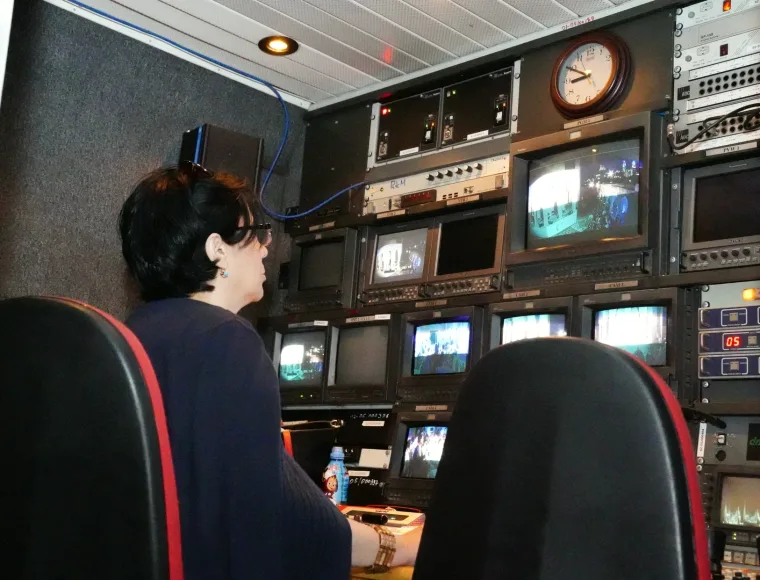
  1. Control room monitor wall during a rehearsal

    Monitor walls show how a gallery really works. In a review we note what the team watches, what is missed and how the layout affects decisions.

  2. Studio camera on a pedestal ready for shading

    Matching cameras starts with white balance, exposure and colour on the same chart. We advise on settings so shots cut together without a visible jump.

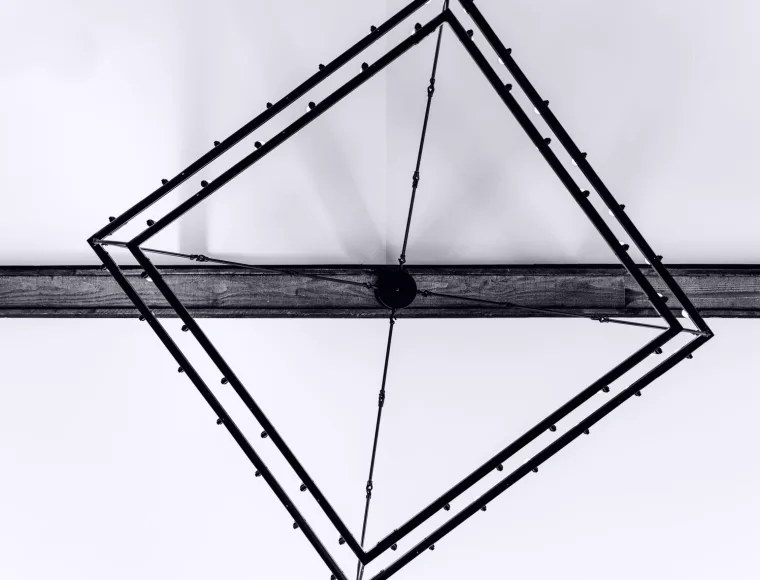
  3. Lighting rig above a television set

    Lighting rig above a television set

    A grid of fixtures needs a plan for position, angle and level. We draw the plan so the set looks right on camera and the crew can rig it quickly.

  4. Sound engineer at a mixing console

    Clean mixes depend on routing and gain set early. We check channels, buses and monitoring, then write down a set-up your engineers can reproduce.

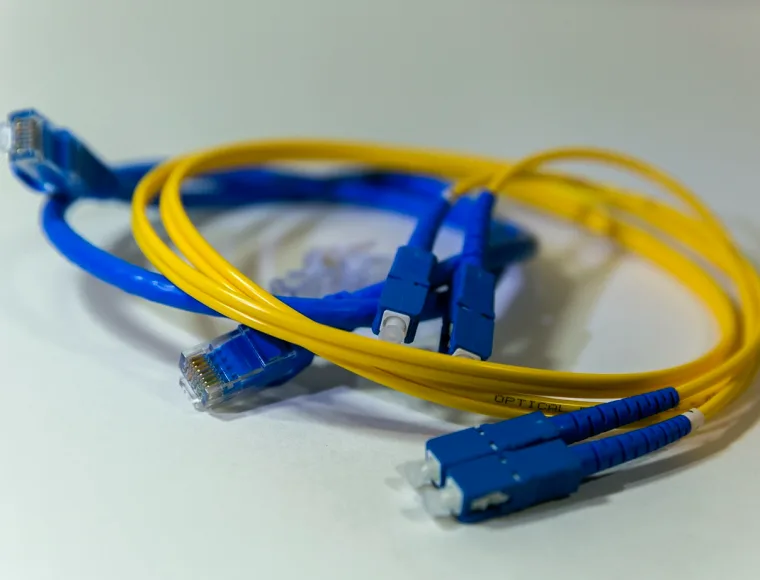
  5. Patch bay and cabling behind the desk

    Patch bay and cabling behind the desk

    Tidy, labelled cabling saves time when something fails live. We review patching and labelling and suggest a simple scheme for the whole crew to follow.

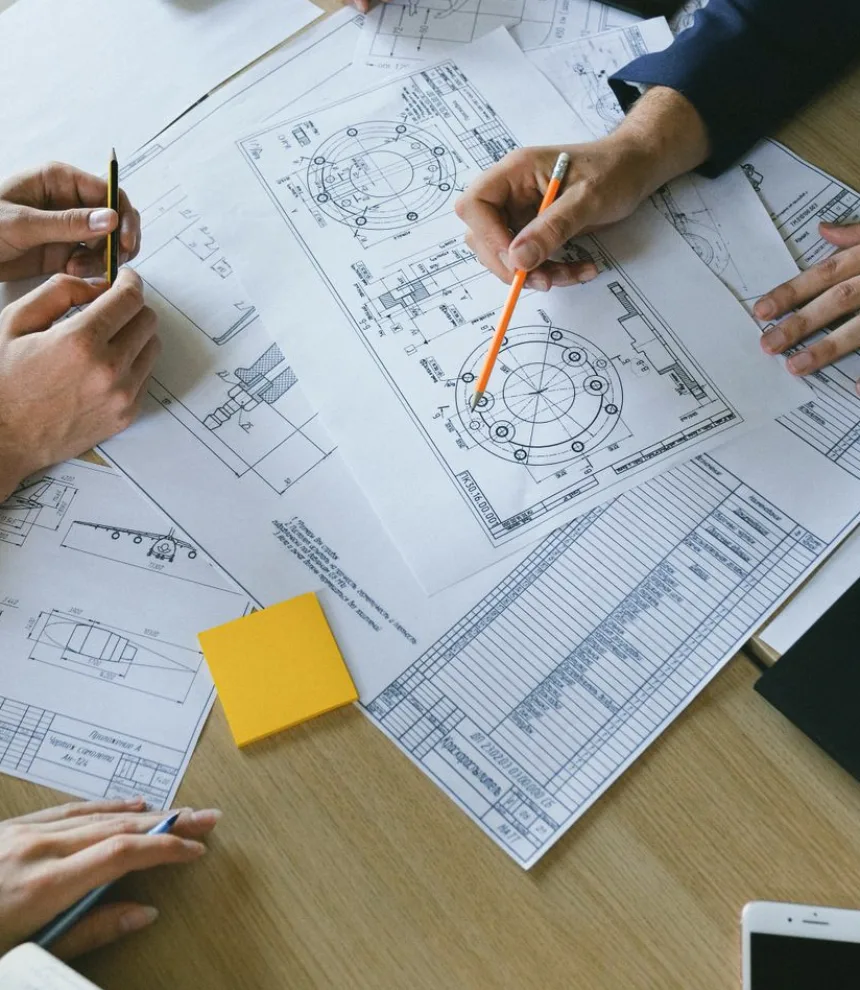
  6. Crew checklist reviewed before a live show

    Crew checklist reviewed before a live show

    A short, well-written checklist keeps a live show on track. We write them with the crew so each line reflects a real step in the running order.

A Cambridge consultancy for studio teams A Cambridge consultancy for studio teams
About us

A Cambridge consultancy for studio teams

dailyray was founded in 2014 by Helen Marsh, who came from television studio engineering. We work from Mill Road Yard in Cambridge with a small team covering lighting, cameras, audio and writing. Our advice is practical and written plainly.

About
How we work

From a first call to a usable plan

Most projects begin with a conversation about what is going wrong or what is about to change. From there we look at the studio or stage in person where possible. What you receive is written for your own crew to act on.

Listening first

We start by asking how your production runs today and where it hurts. That might be slow changeovers, mismatched cameras, uneven sound or a crew that depends on one person's memory. We ask to see the space, the kit and the running order. Only then do we say what we would look at, how long it is likely to take and what you would receive at the end.

Looking closely

On site we watch a rehearsal or a live run where we can. We note signal paths, lighting positions, camera settings and how the crew communicates. We keep notes on what works as well as what does not, because a good habit is worth protecting. Nothing is changed on your equipment without your agreement, and we explain every observation in plain terms.

Leaving it in writing

The result is a written report, plan or guide that your team can keep using after we have gone. It names the changes in order of usefulness, with the reason for each. Where it helps, we add checklists or short training notes. If you want a second visit to see how the changes have settled, we can arrange that after the first piece of work is done.

What we stand for

  1. Clarity

    We explain technical points in plain language, in reports and on the studio floor. If a crew member cannot act on a recommendation, we have not written it well enough.

  2. Accuracy

    We check signal paths, settings and measurements before we put them in a report. Where we are unsure, we say so and suggest how to find out.

  3. Practicality

    Advice has to fit your budget, space and crew. We favour changes that can be made in a working week and repeated by the next team.

Talk to a person

Call us about your studio or live production

Tell us briefly what you are working on and we will say whether we can help. If so, we follow up with a written quotation before any work begins.

Call us directly

01223 458 217

Send us a message